Connected records for agricultural trade.
Plotra is Terraxis’s data structuring engine for agricultural supply chains. It combines geospatial analysis with producer, farm, delivery, batch, document, quality, and shipment records across four purpose-built workstations.
The workstations support the organisations responsible for creating, moving, reviewing, and acting on supply-chain evidence – from the cooperative at origin to the European importer.
One engine supporting four operational roles.
Agricultural supply-chain information is frequently divided across GIS files, spreadsheets, paper records, certificates, audit systems, and shipment documents.
Plotra structures these records around the actual movement of the product. Producer and farm information can remain connected to deliveries, batches, processing, quality records, consignments, and due-diligence evidence.
Each workstation provides a different operational view of the same connected structure.
Choose the workstation that reflects your role.
Cooperative Workstation
Manage the coffee flow from producer to consignment.
Register producers and farms, manage geospatial records, record deliveries, create processing batches, monitor inventory and quality, organise certifications and documents, and prepare consignments.
The workstation supports the cooperative’s daily operations. EUDR traceability, buyer documentation, and export evidence are produced from the records created through that work.
Exporter Workstation
Structure suppliers, batches, documents, and export consignments.
Bring records from one or several cooperatives, direct farmer networks, or other suppliers into one exporter workspace. Connect contributing producers and polygons to batches, quality records, supporting documents, and consignments.
The workstation prepares a portable DDS file and structured consignment package that can be shared with the European buyer.
Importer DDS Workstation
Consolidate shipment evidence into a reviewable DDS record.
Upload supplier files, consignment documents, certificates, spreadsheets, and geospatial evidence. Plotra connects the exporter, cooperatives, contributing producers, farm records, and shipment documentation within one importer-side workflow.
The workstation supports DDS preparation, shipment review, supplier follow-up, and a consistent audit trail across sourcing routes.
Human Rights Due Diligence Workstation
Manage screening, corrective action, and verified follow-up.
Record producer, household, workforce, child-participation, occupational-safety, and chemical-safety information. Where a concern requires follow-up, the workstation supports case creation, assignment, corrective action, evidence collection, referral, and verified closure.
The same producer relationship can be followed across seasons, allowing evidence and improvement records to accumulate instead of being recreated for each assessment.
Records stay connected as the product moves.
01
Structure the origin record
Connect the producer, farm, parcel, cooperative relationship, geospatial evidence, certifications, and relevant documents.
02
Record operational movement
Follow deliveries, aggregation, processing, batches, inventory, quality, and product transformation.
03
Assemble the trade record
Connect verified batches with buyers, consignments, shipment documents, and export evidence.
04
Produce the required outputs
Generate DDS-ready records, consignment packages, traceability evidence, certification records, and due-diligence documentation from the connected operational record.
Producer and farm > Delivery > Batch and processing > Quality and stock > Consignment and shipment > DDS and due-diligence > outputs
The workstation remains useful after a submission is complete.
Plotra is designed to support continuing operational records rather than a single compliance event.
Cooperatives retain their producer, delivery, inventory, processing, quality, certification, and case-management records. Exporters retain supplier, batch, document, and consignment histories. Importers maintain shipment evidence, supplier records, DDS preparation, and audit trails.
EUDR, HRDD, certification, and buyer outputs are generated when required, but the underlying operational record continues to support the organisation’s work.
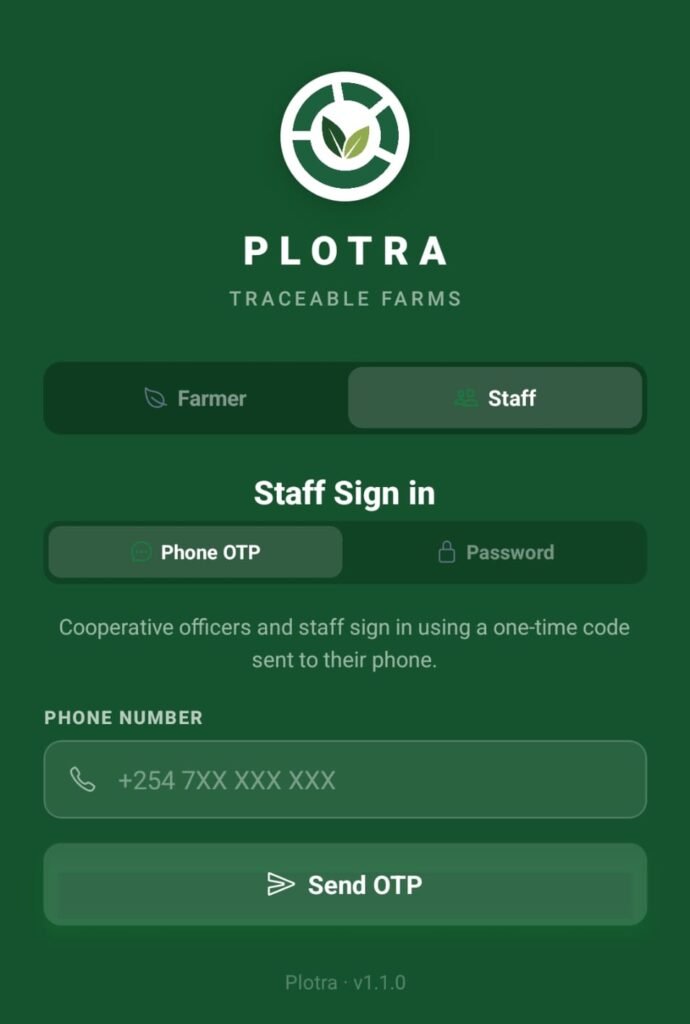
Different users. One connected evidence base.
Cooperatives
Create and maintain the operational record at origin.
Exporters
Structure supplier contributions into batches and consignments.
Importers
Consolidate and review shipment-level due-diligence evidence.
HRDD teams
Assess concerns, manage corrective action, and verify follow-up.
Each organisation sees the information appropriate to its role. Sensitive producer and safeguarding information remains subject to access controls, data minimisation, and defined sharing permissions.
Find the right workstation for your supply chain.
Explore the four Plotra workstations or speak with Terraxis about your current records, geospatial data, traceability flow, due-diligence requirements, and implementation needs.